On FIRE
(A storytelling solution to most of your problems.)
We played a lot of what-ifs in my early writing days. It’s a delightful and important exercise. It’s simple. Wherever you’re right now, whatever you’re doing, imagine what-if. What if a meteor is falling down? What if the love of your life walks in right now? What if you suddenly forgot how to move your left hand? Sounds silly? It better (That’s the nature of the best creative exercises).
Most of the time, we had some fun and stretched our imagination. Other times we found out things. One time we realized something important. FIRE solves any writing problem. This piece is on FIRE.
Do you occasionally feel stuck in your writing? The stakes are lacking, the characters inert, the scene is blaze, and your climax is missing? set something on FIRE (NOT IN REAL LIFE, IN A STORY). It works. It always works.
I don’t mean an explosion, I don’t mean pressure. I mean FIRE. Just FIRE.
As far as I’m concerned, this is where the explanation should end and the reader should nod and agree with me, however, I have since learned that not everybody is a poet.
FIRE has a built in structure (like many other natural phenomenons but angry water might necessitate extra work). FIRE starts (you notice FIRE), FIRE roils and burns (you react), FIRE dies down one way or another (or consumes all). Everyone knows FIRE and everyone understands the danger. You don’t need to explain what FIRE is.
FIRE occurs very easily. Lit cigarette in the wrong place, a spark went rogue in a dry forest, a pot left on a stove, electricity seeking revenge. A grease FIRE is some sort of a gremlin that punishes carelessness. The setup is incredibly simple and very relatable.
FIRE is an obstacle with clear stakes. It has to be dealt with immediately. Extinguish, run, contain, call FIREmen. The verbs are clear. If there is a FIRE on your way it requires an alternative route or courage to brave through it. The best obstacle shows characters’ heart and FIRE provides an opportunity.
FIRE is change. Once it burns out, the environment is different. A forest is burnt, and apartment is gone, a city is gone (Seattle’s story of a massive FIRE is quite interesting). It requires recontextualization. If the evidence is burnt, the detective needs to figure out an alternative.
FIRE isn’t new. We have measures, automatic or not, to defend against FIRE. Sprinklers, FIRE extinguishers (you need to explain their absence not presence), specific construction methods, blast doors, FIREmen. None of these options will count as deus ex machina. You can start FIRE (again not in real life please) and finish it easily (narratively speaking).
FIRE is cleansing. It helps remove characters, it helps remove environments or bar progress. This is heavy-handed though. A spiritual cleanse, a character change, a revelation. There is a reason why many religious rituals require FIRE (a lot of Slavic holidays finish with something burning).
FIRE is an event. Frequently a counter to this axiom of mine is that it won’t work in a romantic comedy. True, this is a challenge. However, it’s very easy to move in together if one of the romantic parties has their house gone in flames. You must have thought about burning your ex’s picture just to cleanse your romantic juju.
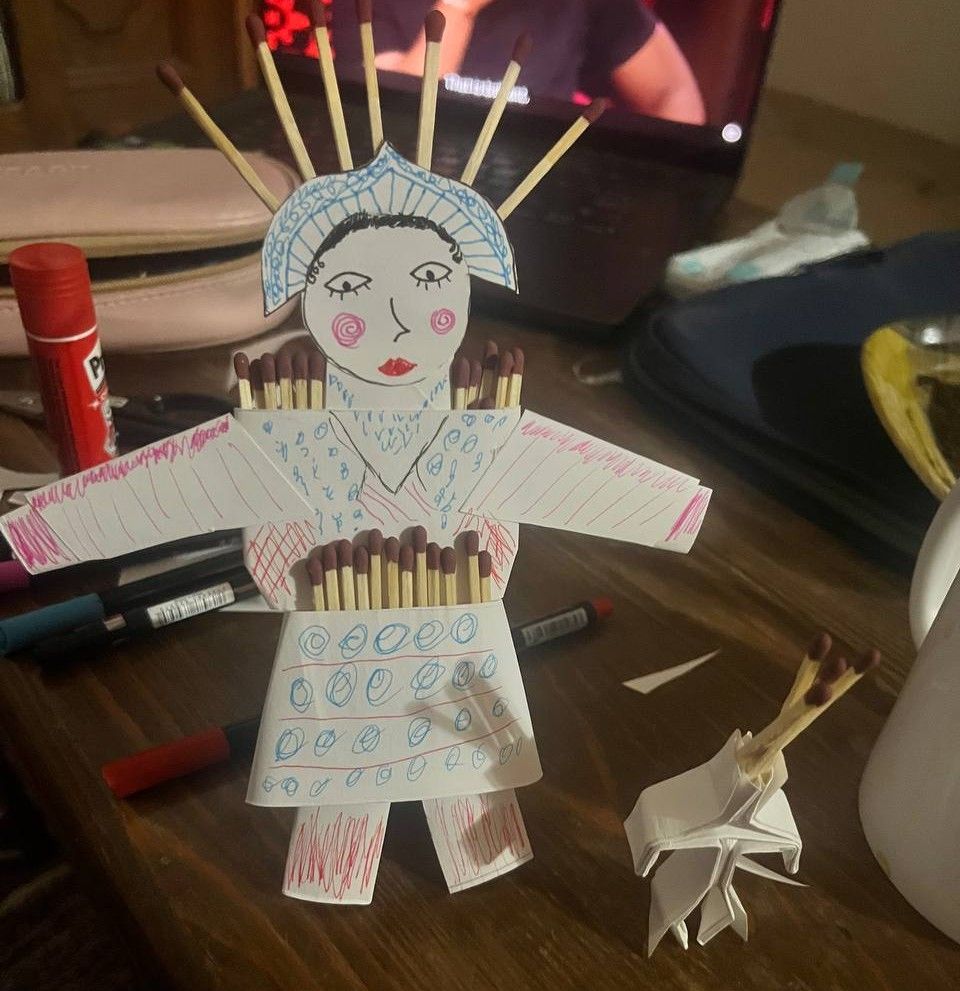
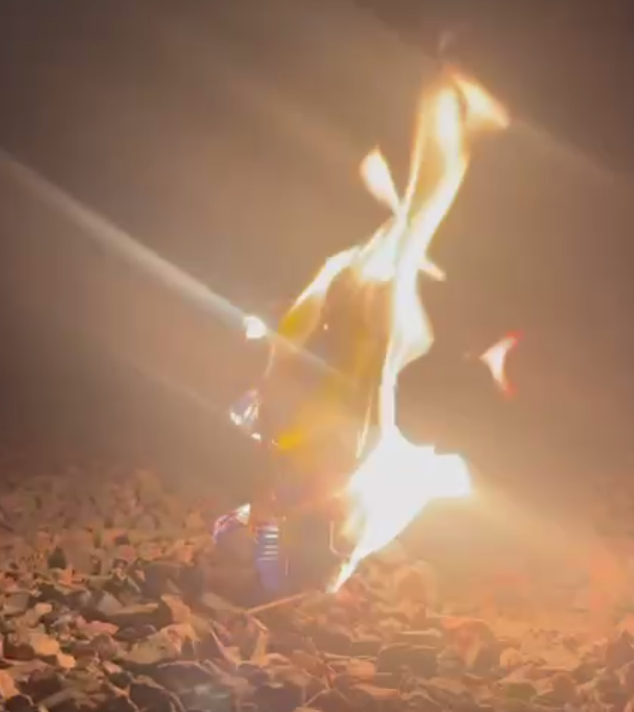
FIRE is a spectacle. Have you seen a Russian dashcam video of someone driving through the forest FIRE? Apocalyptic. Inferno consuming a building is a sight. An effigy of winter two stories tall consumed by FIRE is moving (I make a tiny little effigy for this holiday out of matchsticks, it’s still beautiful).
FIRE is the first piece I posted here. I struggled with choosing which one to put out. FIRE always works.